Loading...
Serving Altoona, PA and surrounding areas. (814) 552-1557
Building a new home or replacing an old foundation? We handle the excavation, concrete, waterproofing, and inspections - so your structure starts on a base that holds up through Altoona winters and wet springs.
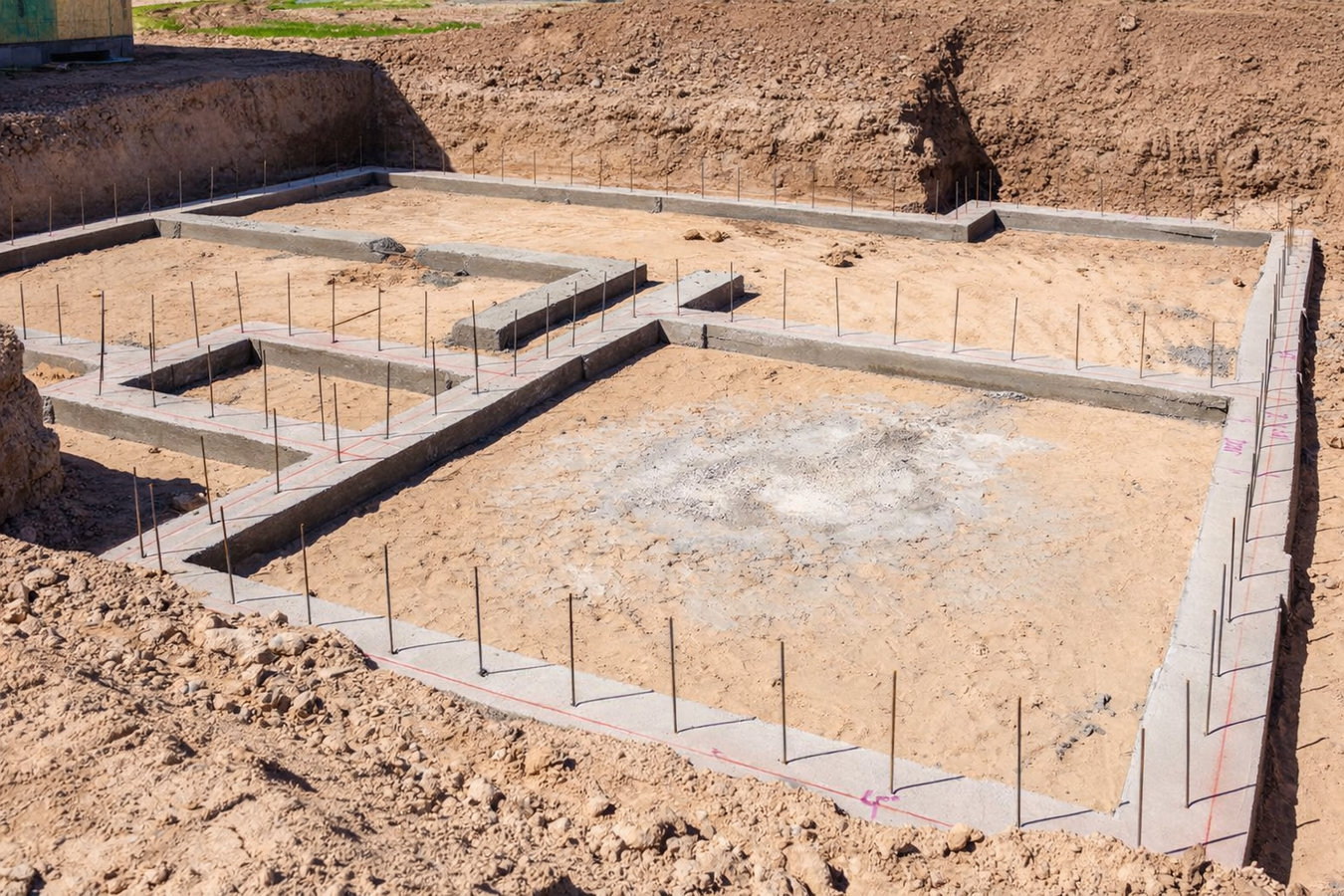
Foundation installation in Altoona covers the full process of building the concrete structure that supports your home - from excavation and footing placement through poured walls, exterior waterproofing, and drainage before backfilling. A typical new home foundation takes one to three weeks from first dig to framing-ready, depending on the size of the home, the type of foundation, and how many inspection hold points fall in the schedule.
Altoona homeowners come to us for new construction foundations, additions, and replacements on older properties where a stone or brick base has deteriorated past the point of repair. The starting point for every project is an honest site assessment - because Altoona's hillside terrain, variable soil, and frost depth all affect what the job actually requires. If your scope is a flat slab rather than poured walls, our slab foundation building service handles that from start to finish.
Waterproofing is not an optional add-on here - it is a core part of every foundation we install. Blair County's wet springs and snowmelt events put real pressure against foundation walls from the day they are backfilled. Getting that protection built in at installation is far less expensive than dealing with water intrusion repairs years later.
Cracks that angle outward from the corners of door frames or window openings often signal that the foundation beneath that part of the house has shifted. In Altoona's older neighborhoods, where homes were built on hillside lots with variable soil, this kind of movement is more common than in newer flat subdivisions. Cracks wider than a quarter-inch - or cracks that are growing - deserve a professional evaluation.
When a foundation settles unevenly, the frame of the house shifts with it. If a door that used to swing freely now drags on the floor or refuses to latch, the problem may be below the floor. This is especially worth watching in Altoona homes built before 1960, where original foundations may predate modern drainage and reinforcement standards.
If you find water on the basement floor or damp walls after a heavy spring rain or fast snowmelt - both common events in Blair County - your foundation's waterproofing may have failed or was never adequate. Water intrusion is not just a nuisance; over time it weakens the concrete and can lead to structural problems that are far more expensive to fix.
If any section of your basement wall curves inward or has a visible horizontal crack running across it, that wall is under pressure from the soil outside. This is a more serious condition than surface cracking and should be evaluated promptly. Walls that bow inward are telling you the soil pressure outside is overcoming the wall's ability to resist it.
The right foundation type depends on your budget, your lot, and how you plan to use the space below your home. We install full basement foundations for new builds and additions where the homeowner wants usable below-grade space, crawl space foundations where full excavation is not practical, and slab-on-grade systems for additions and detached structures. For properties where the existing stone or concrete base has failed, we also handle full foundation replacement - demolition, removal, and a new poured concrete system from the ground up. Our concrete parking lot building work follows similar sub-grade and drainage standards for commercial properties.
Every installation includes footings placed below Altoona's frost line, exterior waterproofing before backfilling, and a drainage plan suited to your specific lot. For projects that need only a slab rather than full poured walls, our slab foundation building service is the right fit. Both scopes go through the same Blair County permit and inspection process - because unpermitted foundation work is one of the most expensive problems a homeowner can hand to a future buyer.
Suits new home builds and major additions where the homeowner wants underground storage or living space and the lot allows for full excavation.
Suits properties where a full basement is not practical but the homeowner needs access beneath the floor for utilities and maintenance.
Suits additions, detached structures, and new builds where a fast, cost-effective base is the priority - no below-grade space needed.
Suits older Altoona homes where a deteriorating stone, brick, or crumbling concrete foundation has reached the end of its service life.
Two conditions define foundation work in central Pennsylvania: deep frost and wet springs. Altoona's ground freezes to roughly 36 inches in a typical winter - meaning footings that are too shallow will be pushed upward by the soil every year until the foundation cracks. And Blair County averages around 45 inches of precipitation annually, with spring snowmelt from the Allegheny ridges adding significant water pressure against every foundation wall. A contractor who does not account for both of these conditions from the first day of design is setting you up for problems that show up years later and cost far more to fix.
The terrain adds another dimension. Many Altoona properties sit on sloped lots where water runs naturally toward the downhill side of the foundation, and some neighborhoods sit on shale bedrock or clay-heavy soil that behaves differently than a flat, well-drained site. We serve homeowners across the region, including Ebensburg and Hollidaysburg, and our site assessment process addresses these lot-specific conditions before any quote is written.
We ask about the project type, the size of the home or addition, and the lot conditions before giving you any numbers. Expect a site visit before we quote - no reputable contractor should price a foundation job from a phone call alone. We schedule that visit promptly and provide a written estimate that breaks out excavation, concrete, waterproofing, and drainage separately.
Before any digging starts, we submit a permit application to Blair County's building office - typically a few business days to process. We handle that paperwork so you do not have to. Once approved, the crew arrives with excavation equipment to dig to the frost line, which in Altoona means going 36 inches or more below grade.
After excavation, we install forms and place the footings. A county inspector visits to verify the footings before the walls are poured. After the walls are poured, there is another inspection before waterproofing and backfilling can begin. These hold points are built into the timeline - plan for one or two waiting days between stages.
Before the soil goes back in, we apply a waterproof coating to the outside of the walls and install a drainage layer to direct water away from the foundation - critical given Altoona's wet springs. After backfilling and final grading, we walk you through the finished work and give you a clear timeline for when framing can begin.
We will visit your lot, assess the soil and slope, and give you a clear written breakdown before you commit to anything.
The ground in central Pennsylvania freezes to roughly 36 inches in a typical winter. We place every footing below that depth - so freeze-thaw cycles cannot push your foundation upward year after year. A contractor who proposes shallower footings to save time is setting you up for expensive problems later.
Foundation work in Altoona requires permits and staged inspections through Blair County's building office. We manage every step of that process - from application to final sign-off - so you have clean paperwork documenting that the work was inspected and approved. That documentation matters when you sell the home.
Blair County averages around 45 inches of precipitation per year, with significant snowmelt events in late winter and early spring. We treat exterior waterproofing as a baseline requirement, not an optional upgrade - because fixing water intrusion after the fact costs far more than doing it right the first time.
Altoona's hillside terrain and variable soil conditions - including areas of shale bedrock and clay-heavy soil - mean no two lots are the same. We assess your specific site before writing a number, so you know exactly what your ground requires before any money changes hands.
Pennsylvania law requires residential contractors to register with the Pennsylvania Attorney General's Home Improvement Contractor registry - you can verify any contractor's registration before you hire. We also follow the concrete quality and curing guidance published by the National Ready Mixed Concrete Association. Those two things together - legal accountability and technical standards - are the baseline for foundation work you can trust.
Commercial-grade concrete surfaces for parking areas, applying the same sub-grade and drainage standards used in foundation work.
Learn MoreFlat slab-on-grade foundations for additions and detached structures where poured walls are not required.
Learn MoreSpring scheduling fills quickly in central Pennsylvania - reach out now to get your permit process moving and lock in your start date.