Loading...
Serving Altoona, PA and surrounding areas. (814) 552-1557
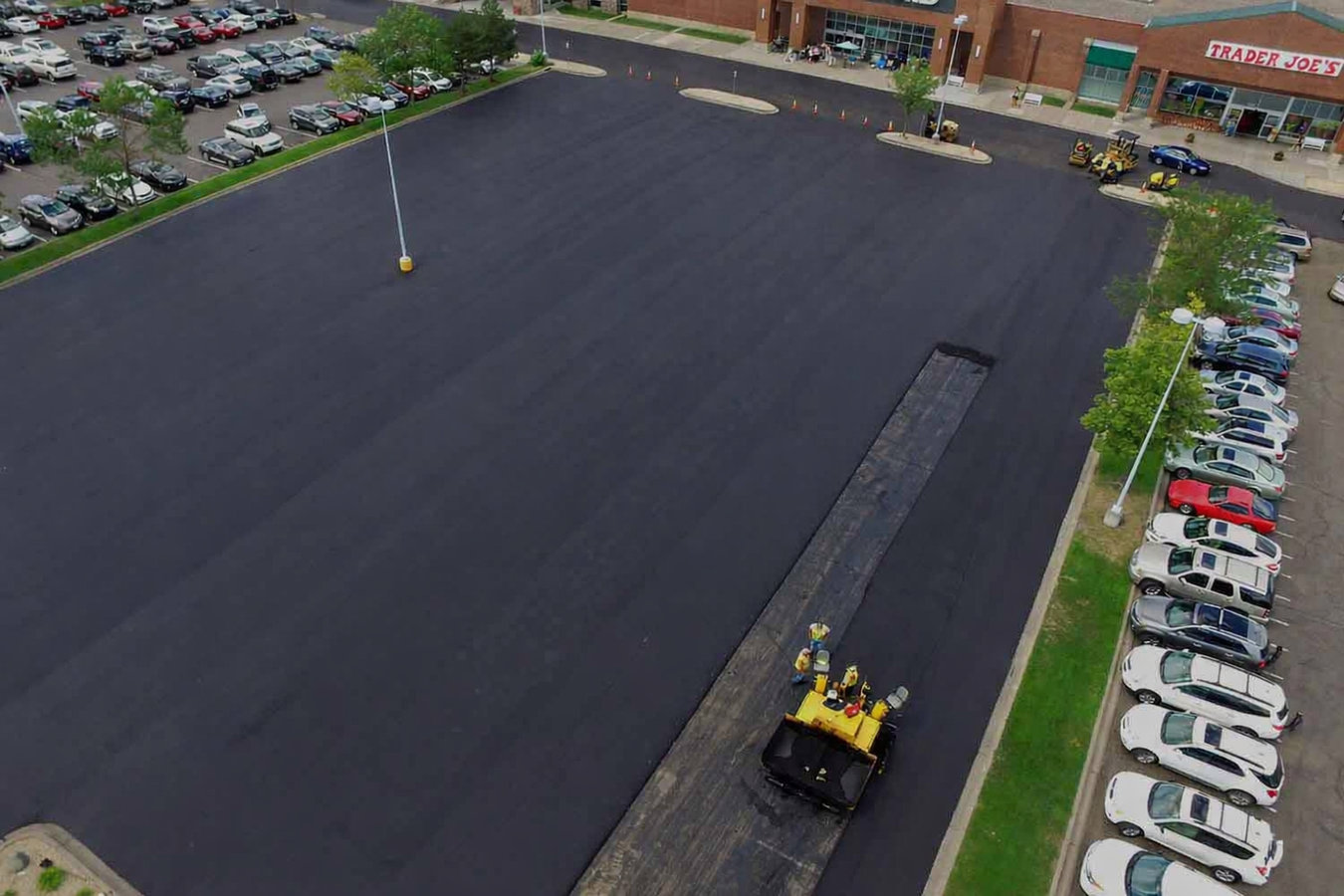
Done with mud, ruts, and gravel that migrates every spring? We build reinforced concrete parking lots with proper drainage, solid base prep, and control joints designed for Altoona winters.
Concrete parking lot building in Altoona means grading the site for drainage, installing a compacted gravel base, pouring reinforced concrete 4 to 6 inches thick, cutting control joints, and finishing the surface - most small to mid-size lots of 10 to 20 spaces take 2 to 5 days to build, not counting the curing period before vehicles can use it.
Homeowners and small business owners here come to us because their gravel or dirt surface has stopped working - it turns to mud in spring, develops ruts, or simply looks bad year-round. Altoona's clay-heavy soils and repeated freeze-thaw cycles are genuinely hard on unpaved surfaces, and a concrete lot built to handle those conditions is a completely different long-term investment. If your existing surface is an old driveway that has outgrown its original purpose, our concrete driveway building service handles similar scopes where the lot connects to a residential driveway.
Pennsylvania requires that new paved surfaces manage stormwater runoff properly, and in Altoona the city has its own permit process for new impervious surfaces. We handle the permit application and build the drainage design into the lot from the start - so you are not scrambling to address a code issue after the concrete is already cured.
If your parking area becomes soft, rutted, or nearly impassable during Altoona's wet springs, the surface is not holding up. Central Pennsylvania's clay-heavy soils make unpaved areas especially prone to this problem year after year. A properly built concrete lot drains correctly and stays firm no matter how much rain falls in April.
Cracks wider than a quarter inch, areas where the surface has dropped or heaved, or sections that feel soft underfoot are signs the base underneath has failed. In Altoona, repeated freeze-thaw cycles accelerate this kind of damage every season. Patching helps temporarily, but once the base is compromised, a full replacement is usually the smarter long-term choice.
Puddles sitting on your parking area for hours after a rainstorm mean the surface is not draining correctly. Standing water speeds up concrete deterioration, creates slip hazards, and freezes into dangerous ice patches in winter. This usually means the original grading was poor or the surface has settled unevenly over time.
If water from your parking area runs toward your foundation, pools against a neighbor's fence, or drains into a low spot that floods regularly, the surface is not managing stormwater properly. Pennsylvania takes stormwater runoff seriously, and a properly graded concrete lot can solve these problems while also protecting you from potential code issues.
Whether you are building a parking surface for the first time or replacing an existing gravel, dirt, or failing asphalt lot, we handle the full scope - site grading, base preparation, concrete pour, control joints, and finish work. Most of the older housing stock and small commercial buildings in Altoona were built before off-street parking was required, so first-time lot builds are common here, and they often involve more grading and drainage work than a simple replacement. We also handle lot expansions where you need to add spaces to an existing paved area, tying the new concrete into the current surface and drainage plan. For properties that also need structural support work below grade, our concrete footings service covers that foundation-level work before surface construction begins.
Every lot we build gets the same base treatment - compacted gravel, properly sloped for drainage, with steel reinforcement or wire mesh inside the slab. Concrete that looks level on the surface but was poured over an untreated clay sub-base will start showing problems within a few years, especially after the freeze-thaw cycles Altoona delivers every winter. We also connect lot drainage plans to any related concrete driveway building work if your parking surface ties into an existing driveway approach.
Suits properties adding a parking surface for the first time, including site grading, base preparation, drainage planning, and the full concrete pour.
Suits existing gravel, dirt, or failing asphalt surfaces being replaced with a permanent concrete lot built to current drainage and base standards.
Suits businesses or homeowners adding spaces to an existing paved area, with base prep and drainage tied into the current surface.
Altoona sits at the edge of the Allegheny Mountains in Blair County, where winters bring repeated freeze-thaw cycles that are genuinely hard on any unpaved or poorly built surface. Water gets into small cracks and pores in the ground, freezes, expands, and pushes whatever is above it upward. A concrete lot built with the right base depth, proper drainage slope, and sealed control joints handles this stress every year without failing. A gravel lot - or a concrete lot built without accounting for Blair County soil and climate - will not hold up nearly as long. Customers we work with in Hollidaysburg face similar freeze-thaw and drainage challenges because the surrounding terrain and soil conditions are closely related.
Much of Altoona's housing and small commercial building stock dates from the early to mid-20th century, when off-street parking was often not part of the original design. That means many property owners in the city are building a parking surface for the first time rather than simply replacing one. First-time builds on older properties require more site assessment - soil conditions, existing drainage patterns, utility locations, and lot slope all need to be understood before a number is quoted. Customers in Johnstown regularly come to us for this same type of work, where older property footprints need a parking solution built from scratch with local conditions in mind. For guidance on stormwater requirements that may apply to your project, the Pennsylvania DEP stormwater management page is the authoritative source on what triggers a drainage plan requirement.
We ask about how the lot will be used, how many vehicles, and whether any heavy trucks will be coming and going. Expect a site visit before we give you any firm numbers. We look at the slope, drainage, and soil conditions - all of which affect what your project actually needs.
After the site visit you receive a written estimate that breaks down materials, labor, and site preparation. We also tell you whether a permit is required and handle the application ourselves - in Altoona, most new paved surfaces require one, and a contractor who suggests skipping it is a red flag.
Before any concrete is poured, the crew removes existing material, grades the ground for proper drainage, and installs a compacted gravel base. This step can take one to two days. You do not need to be home, but the area should be clear of vehicles and anything stored on the surface.
On pour day the crew places, spreads, and finishes the concrete before it begins to set, then cuts control joints into the surface. Plan to keep all vehicles off the new surface for at least 7 days - driving on it too soon is one of the most common causes of early damage.
Free written estimate. No pressure. We reply within one business day.
Parts of Altoona and the surrounding area have clay-heavy soils that shift with moisture changes. We assess your site before quoting and build a compacted gravel base sized to keep your slab stable through wet springs and dry summers - because a slab poured over inadequate base prep will crack no matter how well the concrete was mixed.
Pennsylvania requires that new paved surfaces manage stormwater runoff properly. We design every lot with the correct slope so water drains away from buildings and property lines - not into your foundation or your neighbor's yard. Handling drainage right at installation saves you from citations and costly corrections later.
Concrete expands and contracts with Altoona's wide temperature swings. We cut control joints at planned intervals so the slab has designated places to move - resulting in straight, predictable lines rather than random cracks across your surface. This is one of the clearest signs of careful, experienced workmanship.
We are registered with the Pennsylvania Attorney General's Home Improvement Contractor registry, as required by state law for residential work. We pull the required permits through the City of Altoona's Community Development office and make sure your project is on record - protecting you if you ever sell or need to make a claim.
Every one of these points comes back to the same thing: a parking lot that works the way you expect it to, every season, for years. We build it right the first time so you are not calling someone back to patch problems that should never have happened. The American Concrete Pavement Association publishes the standards that guide our design and construction approach on every parking lot project.
Structural footings dug below Altoona's frost line to support decks, additions, and any load-bearing structure on your property.
Learn MoreResidential concrete driveways built with the same base prep and drainage standards we apply to parking lot projects.
Learn MoreConcrete season in central Pennsylvania runs late April through October - and contractors book fast. Call or send us a message today so your project gets on the calendar.