Loading...
Serving Altoona, PA and surrounding areas. (814) 552-1557
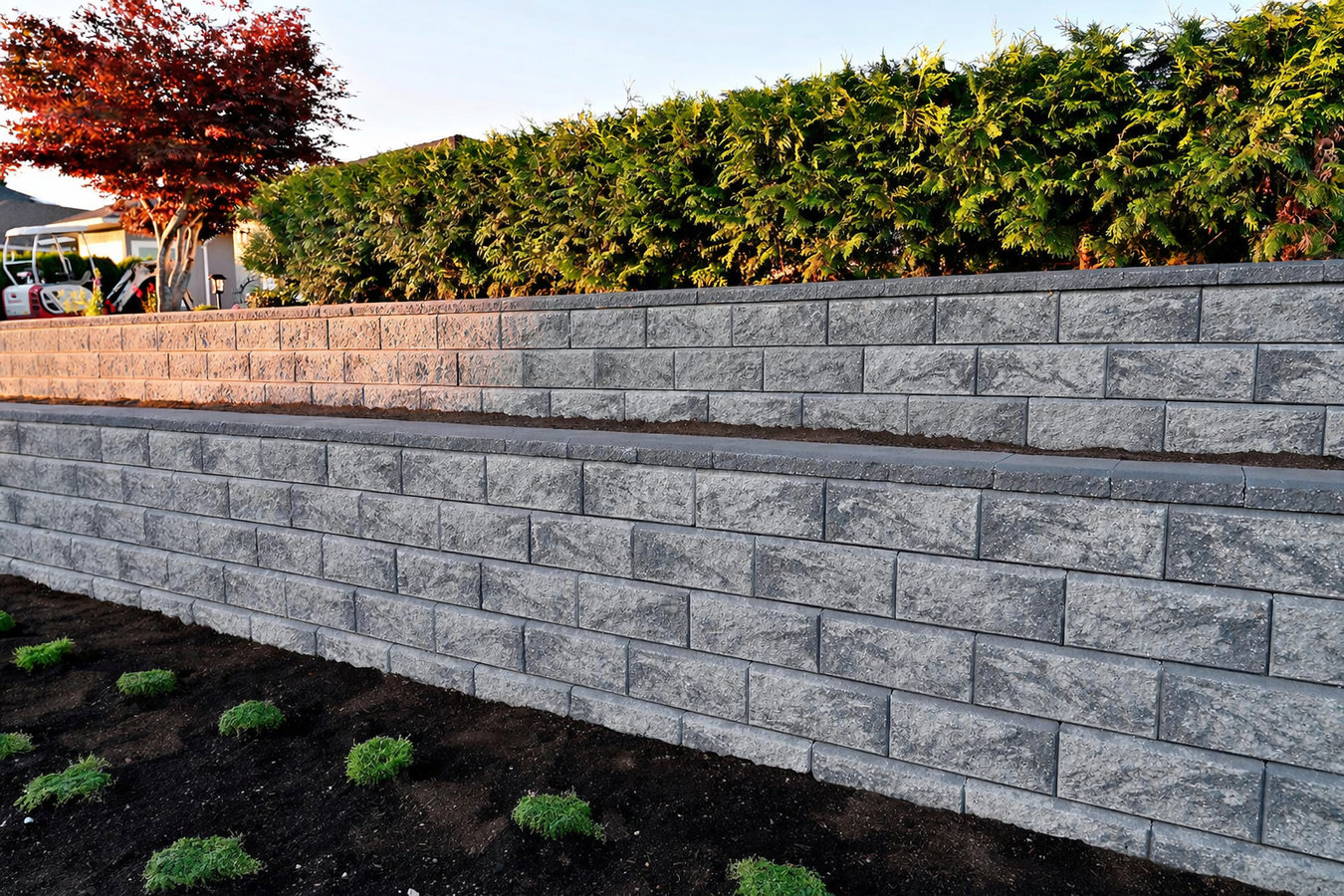
Altoona lots slope. The clay soil holds water. The winters are brutal on anything built wrong. We build retaining walls that hold for decades - not just a season or two.
Concrete retaining walls in Altoona hold back soil on slopes so it does not wash away, protecting your yard, landscaping, and foundation, with most residential walls taking two to five days to build once the permit is approved.
If you own a home in Altoona, there is a real chance your lot has a grade change that sends water toward your house every spring. A properly built retaining wall solves that problem and turns an unusable hillside into flat, workable space. Many homeowners also pair their wall project with concrete floor installation when they are preparing a lower level for use after grading the yard.
Altoona is built into the eastern slopes of the Allegheny Mountains, and the combination of steep terrain, clay-heavy Blair County soil, and hard winters makes retaining wall quality matter more here than in most places. A wall built with the right footing depth and drainage will outlast the home. One built without those things rarely survives a decade of Pennsylvania winters.
If bare patches, ruts, or small gullies form on a hillside in your yard after a rainstorm, the soil is actively eroding. Altoona gets meaningful rainfall throughout the year, and sloped lots without support keep losing ground until something holds it in place.
A wall that tilts forward even slightly is telling you the pressure behind it is winning. Horizontal cracks, gaps between sections, or blocks that have shifted are signs the wall has stopped doing its job - and a repair now costs far less than dealing with a collapse later.
If water pools against your house, garage, or fence line after a storm, a slope may be directing runoff toward your structures instead of away from them. A retaining wall with built-in drainage can redirect that water and protect your foundation from the slow moisture damage common in Altoona's wet springs.
Many Altoona homes built before the 1970s have original dry-stacked stone or aging concrete block walls built without modern drainage systems. After decades of freeze-thaw cycles, these walls develop a visible outward bulge - a sign they are under serious stress and may be close to failing.
We build poured concrete and concrete block retaining walls for residential and light commercial properties throughout the Altoona area. Every wall includes frost-depth footing excavation, gravel backfill, drainage pipe installation, and steel reinforcement - the steps that separate a wall that holds for 50 years from one that starts leaning after five. If you need a smoother finish or a custom pattern on the wall face, we can discuss finishing options at the estimate stage. For projects that also involve leveling an interior space below grade, we work alongside our concrete floor installation service to handle both in one project.
We also handle permit applications through the City of Altoona's Bureau of Codes Administration, so you do not have to navigate that process on your own. For properties where the footing scope is more involved - particularly on lots with significant bearing questions - that work ties closely to our concrete footings service. We will tell you upfront which approach fits your site.
Best for homeowners who want maximum strength and a smooth or formed finish on a sloped lot.
A practical option for mid-height walls where a more textured appearance is acceptable and budget matters.
Suited to lots with large grade changes that would require a single very tall wall - breaking it into tiers reduces pressure and cost.
The right choice for any Altoona property with clay-heavy soil or a history of pooling water behind an existing wall.
Altoona is tucked into a valley in the Allegheny Mountains, and that geography means hillside lots, sloped backyards, and grade changes are the norm - not the exception. The Blair County soil has significant clay content, which holds water instead of draining it. That combination - steep slopes, clay soil, and Altoona winters with dozens of freeze-thaw cycles every year - puts more stress on retaining walls here than in most other parts of Pennsylvania. A wall built with a shallow footing or no drainage can fail in as few as three to five years under those conditions. We build to the local frost line depth and include drainage on every project because cutting those corners here is not a minor shortcut - it is the difference between a wall that holds and one that fails. Homeowners in Hollidaysburg face the same terrain and soil conditions, and we handle retaining wall projects there regularly.
A large share of Altoona homes were built before 1970, many of them on hillside lots graded with techniques that did not account for long-term drainage. Original retaining walls from that era - dry-stacked stone or aging concrete block - are now reaching the end of their useful life. If your home was built before 1970 and has an older wall on the property, it is worth having a contractor assess it before the next hard winter. We also work with customers in Duncansville on wall replacement projects, where the same pre-1970 housing stock creates similar demand.
Reach out by phone or through our contact form. We reply within one business day and will schedule a free on-site visit to walk your property. There is no cost for the assessment, and no pressure to sign anything.
We measure the wall, assess the slope, and check the soil and drainage situation in person. You get a written estimate that breaks down labor, materials, and permit fees - not just a single number with no explanation.
If your wall requires a permit - which it typically does above a few feet - we submit the paperwork to the City of Altoona's Bureau of Codes Administration. The review usually takes one to two weeks, then we schedule your start date.
The crew digs below the frost line for the footing, pours the base, builds the wall, and installs gravel backfill and drainage pipe behind it. Most residential walls are complete in two to five days on-site. After the pour, concrete needs about a week before the wall is ready for landscaping or loading.
No pressure, no obligation. We walk your property, explain exactly what needs to happen, and give you a written quote you can compare.
We dig footings below the Pennsylvania frost line and install drainage on every wall - not as an upsell, but as standard practice. Blair County clay soil and Altoona's freeze-thaw winters demand both, and we build accordingly.
Navigating Altoona's Bureau of Codes Administration is confusing if you have never done it. We pull the permit, manage the process, and schedule the inspection so your project is fully above board from day one.
You get a detailed written quote that covers labor, materials, permit fees, and cleanup before anyone picks up a shovel. No surprise charges at the end. If something changes mid-project, you hear about it before we act on it.
American Concrete Institute standardsWe are based in Altoona, not a regional chain. We have worked on Blair County properties and know what local soil and weather actually do to a retaining wall over time. You can reach us after the job is done - because we are still here.
Every one of those details - frost-depth footings, drainage, permits, written pricing - protects you for the long term. A wall that is built right the first time is one you will never have to call about again.
Pennsylvania requires home improvement contractors to register with the state. Verify any contractor through the PA Attorney General before signing a contract.
Once your slope is leveled and the wall is in place, we install flat, reinforced concrete floors for basements and below-grade spaces.
Learn MoreFor projects where the bearing conditions require a dedicated footing design before the wall or structure goes up.
Learn MoreSpring projects fill up fast - reach out now so we can get your permit started and lock in your build date before the season gets busy.